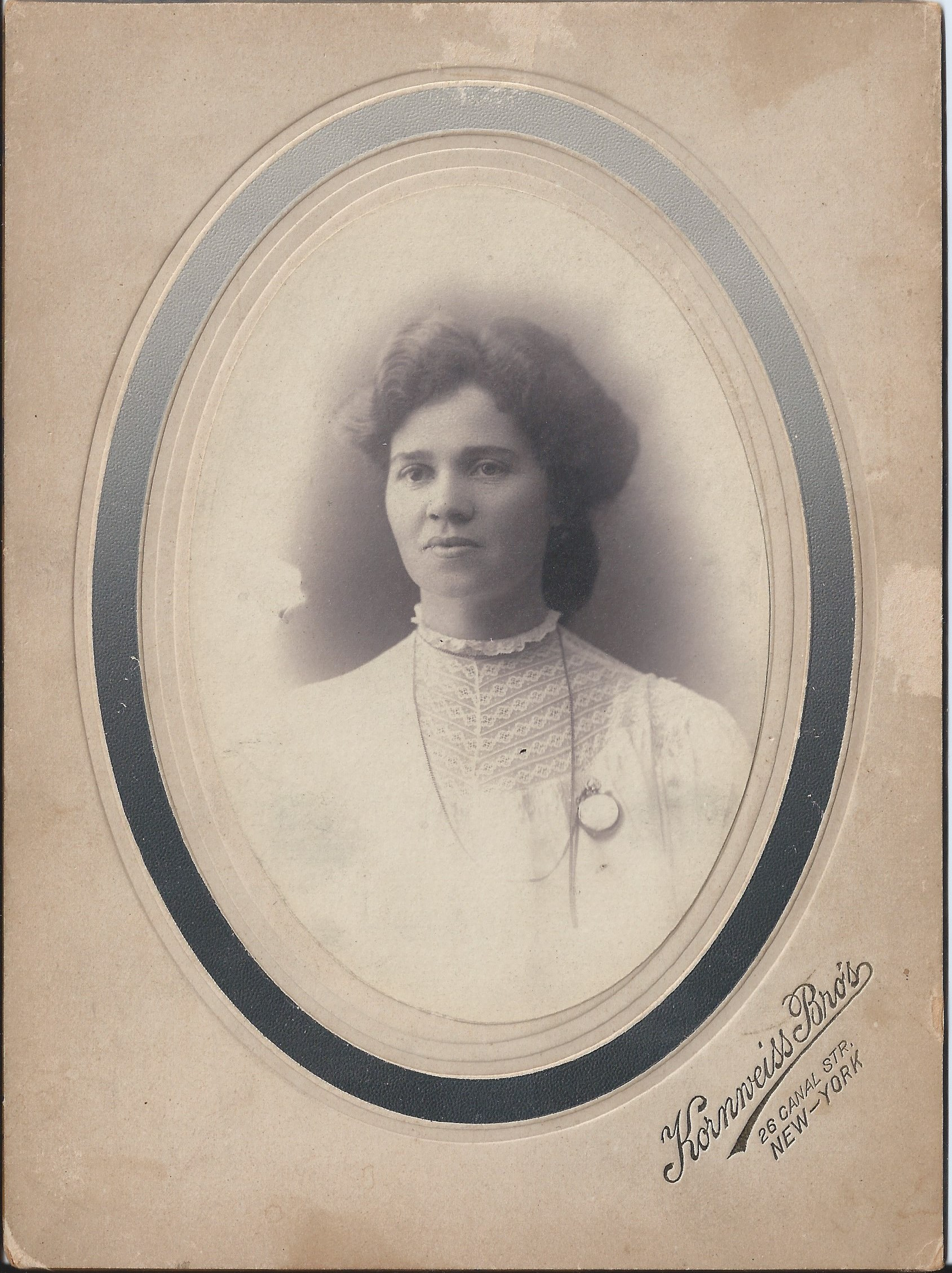
Est. 1899
Our History
Over 125 years of photography, family, and perseverance — from the streets of New York City to the digital age.
Birth of Joseph Kornweiss
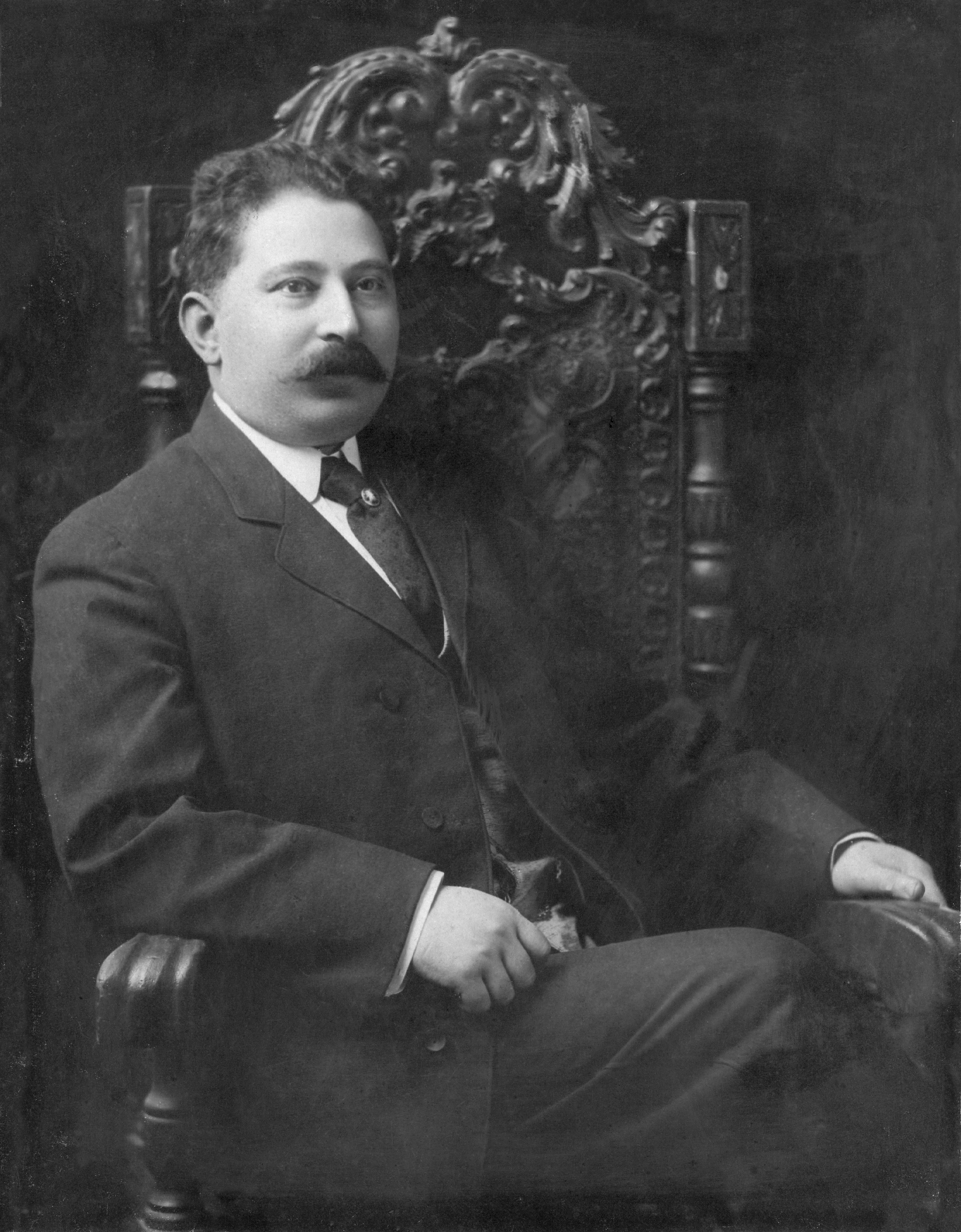
Joseph Kornweiss was born in Russia in 1877. He would go on to operate portrait photography studios across New York City for roughly four decades, documenting the faces of the city's immigrant communities.
Arrival in America
Joseph Kornweiss arrived in America, joining the massive wave of Jewish immigration from the Russian Empire. He settled on Manhattan's Lower East Side — the dense, teeming neighborhood that served as the gateway for hundreds of thousands of Eastern European Jewish immigrants.
First Studio on Rivington Street
Joseph established his first photography studio at 151 Rivington Street, between Clinton and Suffolk Streets, in the heart of the Jewish immigrant quarter. Surviving card-mounted photographs from this address date to the 1890s or early 1900s.
155 Rivington Street
Just two doors east, Joseph opened what became his primary and most documented studio at 155 Rivington Street, operating under the imprint "J. Kornweiss" or "J. Kornweiss Studio." Surviving portraits from this location include group and individual portraits dated ca. 1907–1910. The studio produced silver gelatin prints — the dominant commercial portrait method of the era.
Kornweiss Brothers at 26 Canal Street
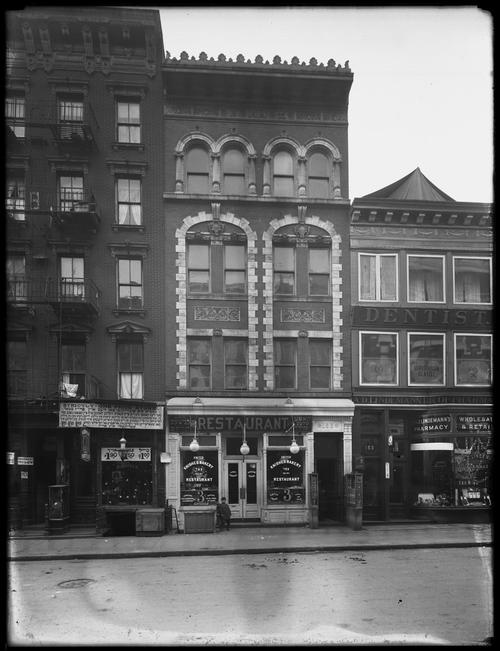
Joseph's brother Abraham joined the business, and together they operated as "Kornweiss Bro's" from 26 Canal Street, near the Bowery on the Lower East Side–Chinatown border. Canal Street was a known photography studio corridor at the time. The partnership endured from the 1900s through the 1930s — a roughly three-decade run. The business name "Kornweiss Bros." rather than "Kornweiss & Son" is the strongest evidence that Joseph and Abraham were brothers.
The Move to Brooklyn
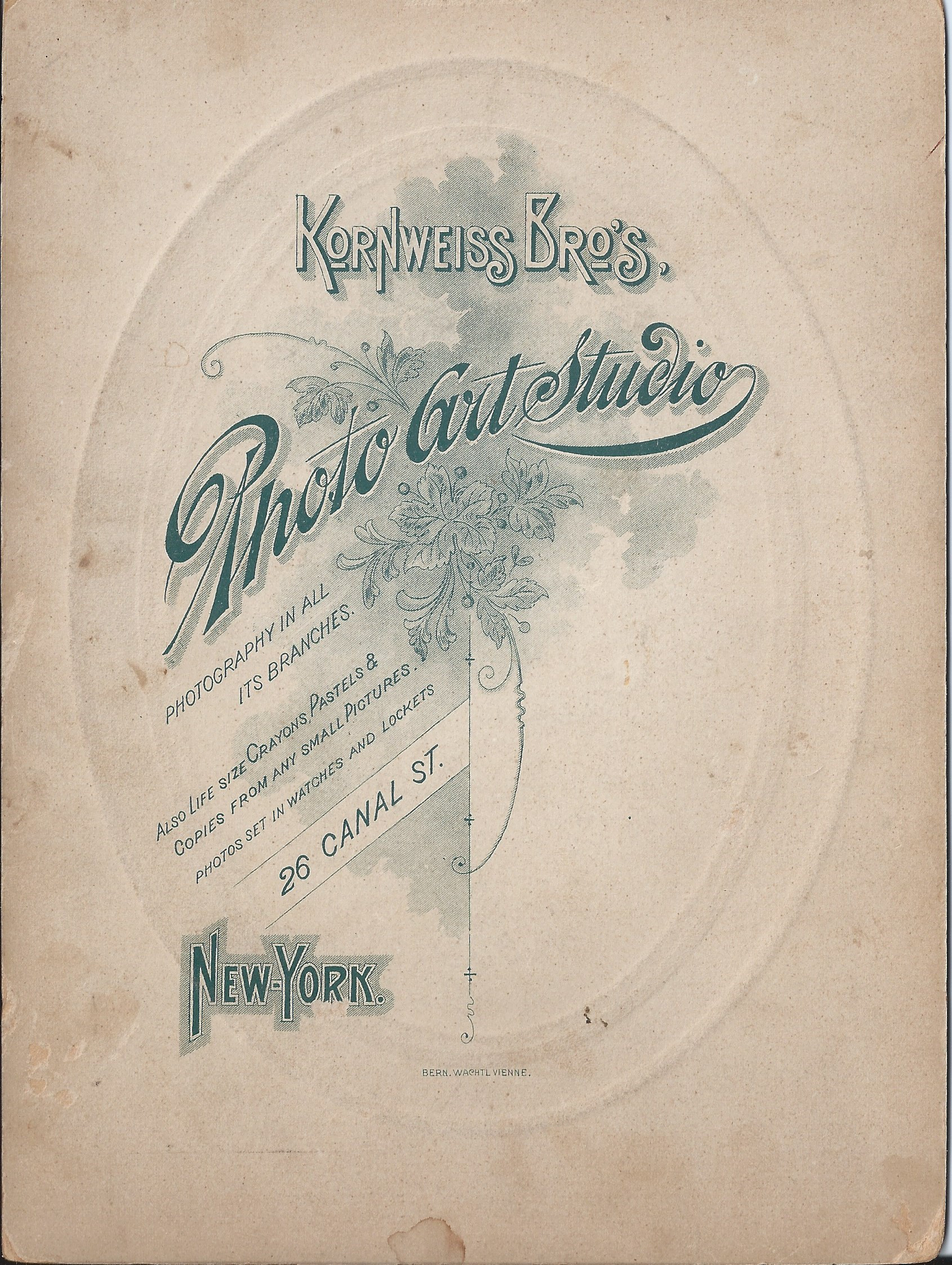
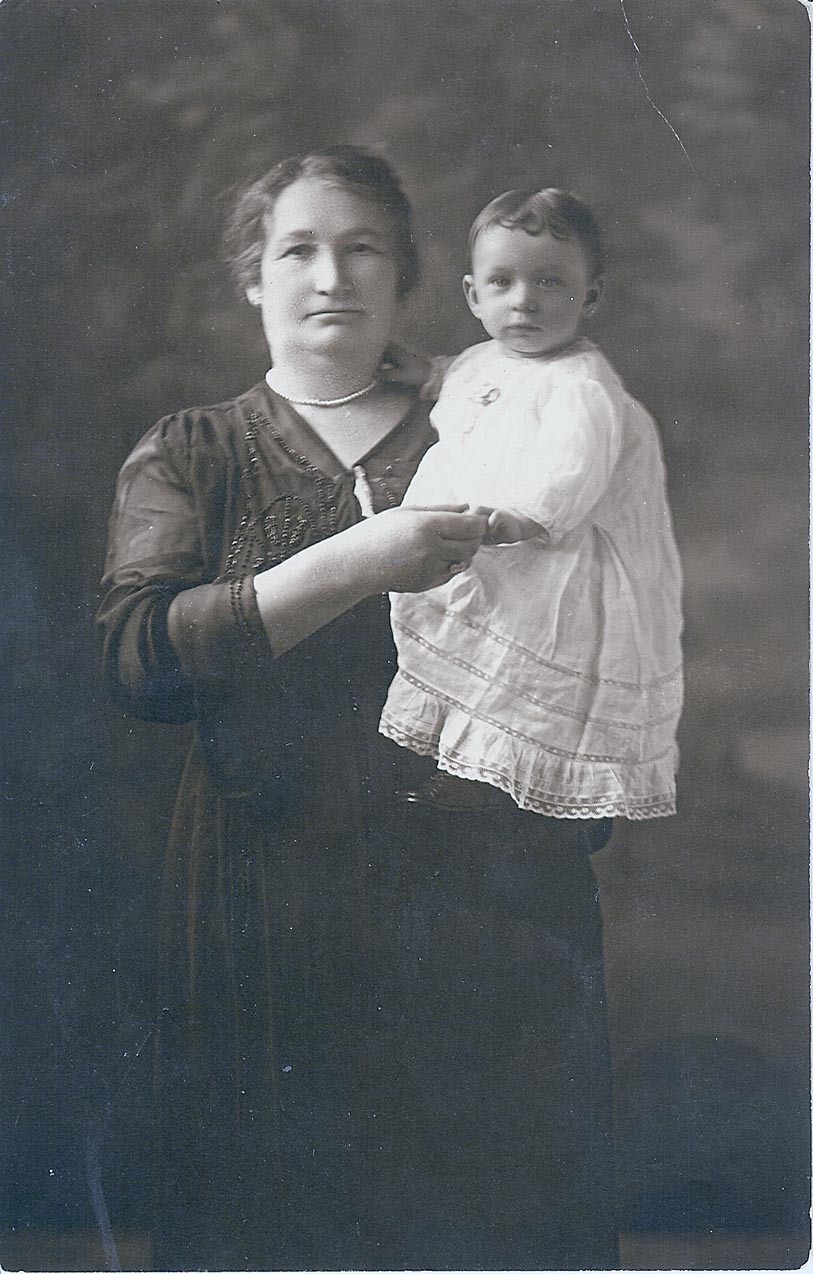
As Jewish families prospered and the Lower East Side grew overcrowded, hundreds of thousands relocated to Brooklyn. Joseph followed his clientele, opening a studio at 1609 Pitkin Avenue on the commercial spine of Brownsville — one of New York's largest Jewish communities. This geographic migration precisely tracks the broader Jewish demographic movement of the early twentieth century.
The Great Depression
The wealth built by the Kornweiss Brothers was swept away in the Great Depression. By the late 1930s, the Pitkin Avenue studio had closed — a 1939–1941 business directory lists a shoe store at the address. Despite this, the legacy of their work endured in the countless portraits they created over four decades.
Joseph Kornweiss Dies
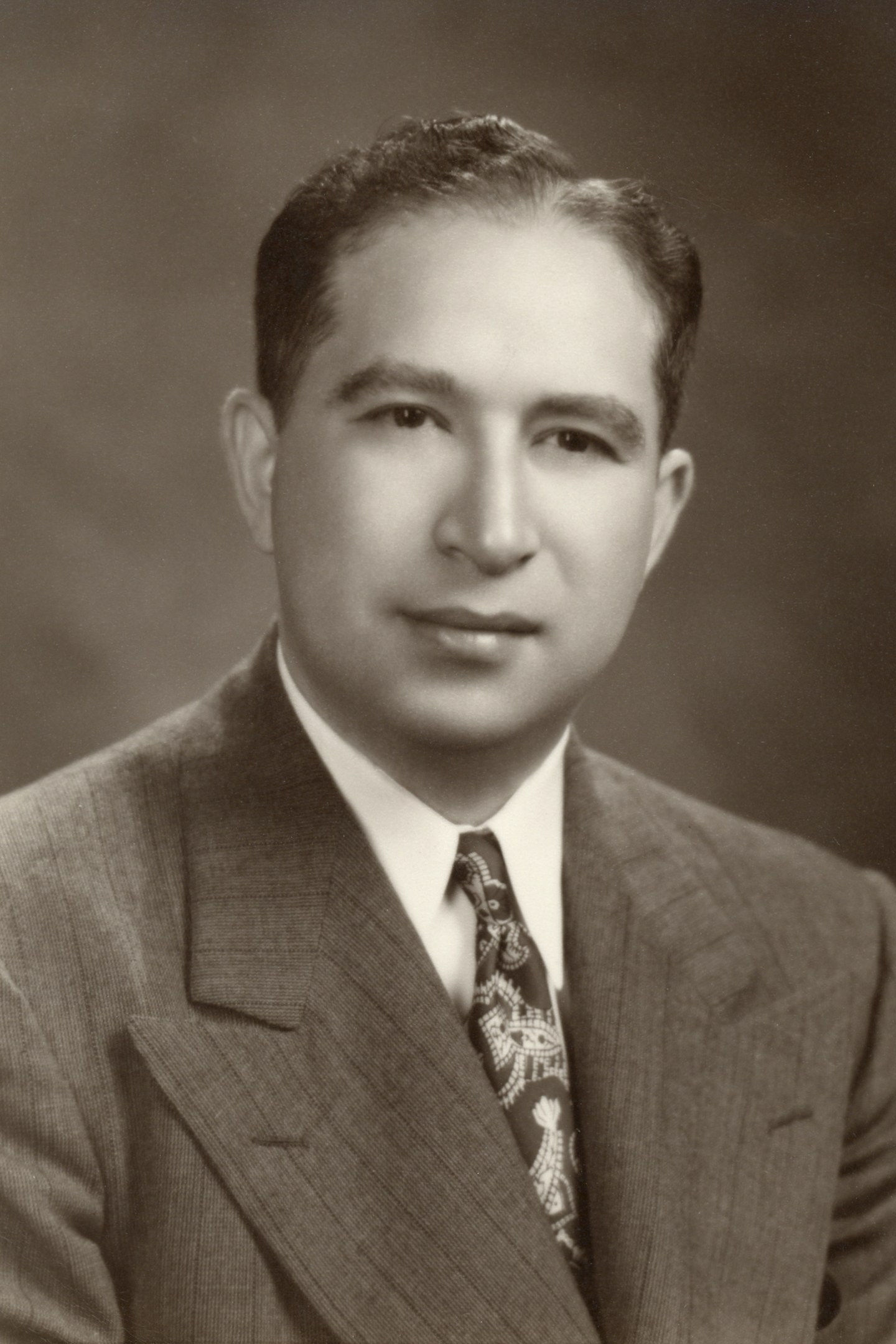
Joseph Kornweiss died in 1951, having lived to see his photography business span from the gas-lit tenements of the 1890s Lower East Side to the modern postwar city. His life is documented across three federal censuses (1900, 1910, 1930) and US military records.
Alexander Kornweiss
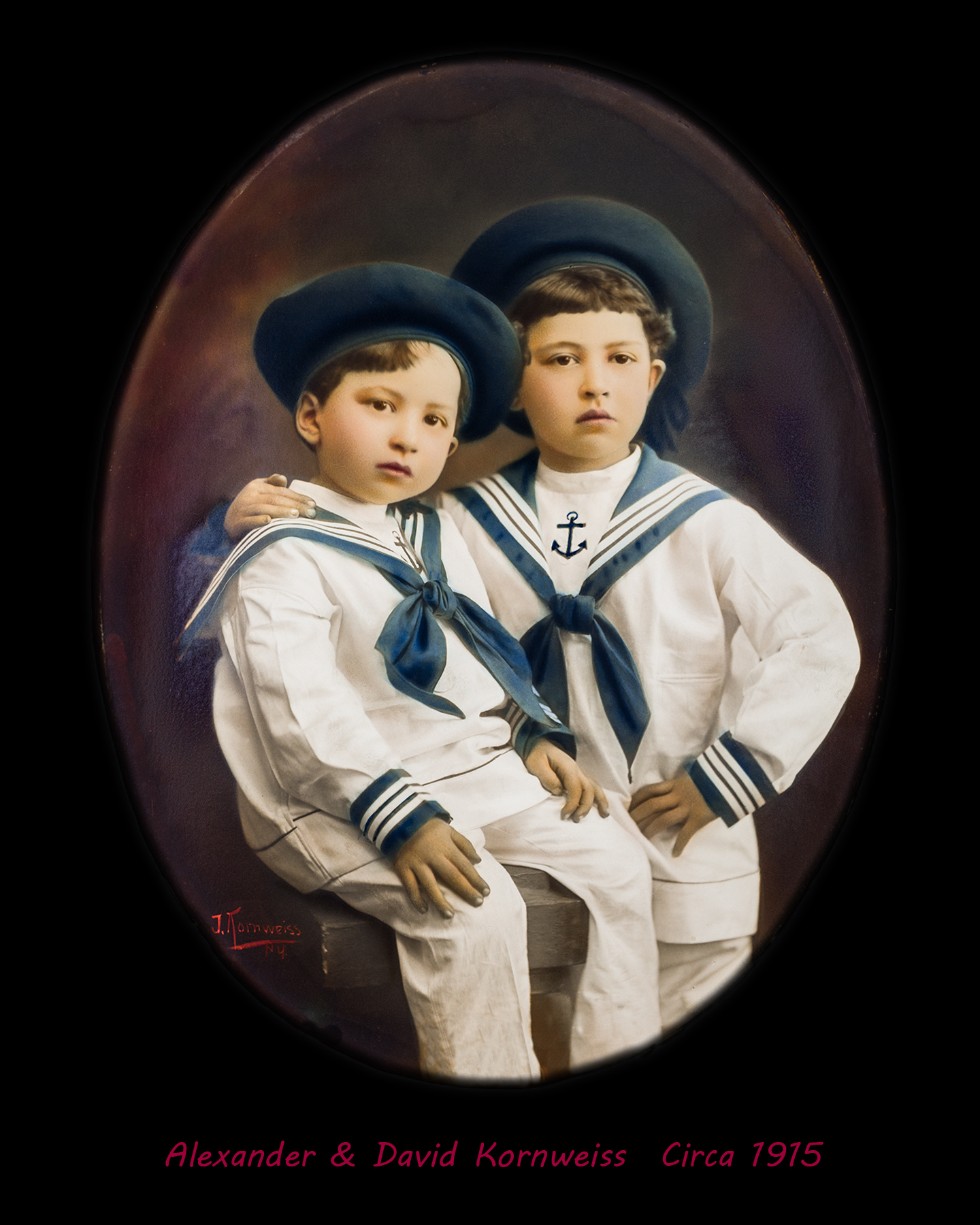
Joseph's son Alexander continued working in the photography business through the mid-1900s, carrying on the family tradition.
Revival by Peter Kornweiss
Alexander's son Peter, though not a photographer by career, revived the business in his retirement. Kornweiss Photography continued through the 2000s to generate digital fine art photography and prints.
A Home on the Web
Now, over 125 years after its original founding, Kornweiss Photography has a home on the web — preserving this historic business and serving as a beacon for families who seek connection with their ancestors pictured in Kornweiss Photography prints all over the world.
Five Generations
The Kornweiss Family
From a Russian immigrant in 1893 to a digital archive in the 21st century — the Kornweiss family's connection to photography has spanned five generations.
Joseph Kornweiss
1877 – 1951Founder
Born in Russia, arrived in America in 1893. Operated portrait studios at four addresses across Manhattan and Brooklyn over roughly four decades. Documented in the NYPL Photographers' Identities Catalog, three federal censuses, and Langdon's List of 19th and 20th Century Photographers.
Abraham Kornweiss
Late 1800s – ?Co-Founder, Kornweiss Brothers
Most likely Joseph's brother — the business name "Kornweiss Bros." rather than "Kornweiss & Son" is the strongest evidence. Listed separately in the NYPL catalog as active in the 1910s. Partnered with Joseph at the 26 Canal Street studio.
Alexander Kornweiss
Early 1900s – ?Second Generation
Joseph's son. Continued the photography business through the mid-1900s before retiring in the 1970s.
Peter Kornweiss
Mid 1900s – ?Third Generation
Alexander's son. Revived the business circa 2000, transitioning to digital fine art photography and prints.
Steve Kornweiss
PresentArchivist & Curator
Preserving the Kornweiss legacy on the web — connecting families worldwide with their ancestors through recovered photographs.
NYC Studios
Historic Locations
Kornweiss Photography operated from at least four studio addresses across Manhattan and Brooklyn, following the Jewish immigrant community as it grew beyond the Lower East Side.
~1890s–early 1900s
No known photograph of this location survives
151 Rivington St
Lower East Side, Manhattan — The earliest documented Kornweiss studio, between Clinton and Suffolk Streets in the heart of the Jewish immigrant quarter.
155 Rivington St
Lower East Side, Manhattan — Two doors east, this became Joseph's primary studio, operating as “J. Kornweiss Studio.” Surviving portraits date from ca. 1907–1910.
26 Canal St
Lower East Side–Chinatown border, Manhattan — Headquarters of Kornweiss Brothers, the partnership between Joseph and Abraham. Active from the 1900s through the 1930s.
1609 Pitkin Ave
Brownsville, Brooklyn — Joseph followed his clientele to Brooklyn as families moved from the congested Lower East Side. Pitkin Avenue was the commercial spine of one of New York's largest Jewish communities.
Historical Context
Photographers of the Lower East Side
The Kornweiss studios existed within a rich ecosystem of Jewish immigrant photography on the Lower East Side. In the late 19th and early 20th centuries, Jews were prominent in the burgeoning trade of portrait photography in major Russian cities like Odessa and Minsk, as well as in the immigrant neighborhoods of New York. Canal Street — where Kornweiss Bros. operated — was a known photography studio corridor.
Portrait photography served essential social functions in the immigrant community. Families needed formal photographs to send to relatives still in Europe, to mark life-cycle events like weddings and bar mitzvahs, and to establish their American identity. Studios like J. Kornweiss at 155 Rivington occupied the ground-floor or upper-floor spaces of tenement buildings, competing with dozens of similar operations along the Lower East Side's commercial streets. Contemporary accounts recall several photo shops on the block between Clinton and Suffolk on Rivington Street alone.
The Kornweiss family's geographic migration — from Rivington Street to Canal Street to Pitkin Avenue in Brownsville — precisely tracks the broader Jewish demographic movement of the early twentieth century. As families prospered and the Lower East Side grew overcrowded, hundreds of thousands relocated to Brooklyn neighborhoods like Brownsville, Williamsburg, and Borough Park. Joseph Kornweiss followed his clientele.
The Record
What We Know — and What Remains
The New York Public Library's Photographers' Identities Catalog maintains authoritative records on all three entities: Joseph individually, Abraham individually, and Kornweiss Bros. as a firm. Langdon's List of 19th and 20th Century Photographers indexes four separate entries — Kornweiss, Abr; Kornweiss, Jos; Kornweiss, Joseph; and Kornweiss Brothers — all in New York, NY.
Joseph appears in the 1900, 1910, and 1930 US federal censuses and in US military records — likely a World War I draft registration or the 1942 “Old Man's Draft.” These underlying records, largely held behind genealogical database paywalls, could answer the remaining open questions: Joseph's exact immigration year and port of entry, his wife's name, the names and birth years of his children, Abraham's exact position within the family, and the precise years each studio address appeared in city directory listings.
The Kornweiss studios were working commercial operations, not art photography establishments. No Kornweiss materials appear in the collections of the Library of Congress, the Metropolitan Museum, MoMA, or the International Center of Photography — their absence from these rarefied collections is entirely expected. What survives instead is something rarer: the photographs themselves, turning up in family collections, attics, estate sales, and antique markets as far away as Belgium — each one a small piece of a four-decade, four-address enterprise that documented immigrant life during one of the great migration waves in American history.
Continue the Story
Your Connection Matters
If you have a Kornweiss photograph, a family connection, or any information about this remarkable history, we'd love to hear from you. Every print tells a story.